By Megan Harris — Skin & Laser Specialist, Cool Laser Skin Studio Calgary
Microneedling has been one of the most talked-about skin treatments for years — and for good reason. With over 20 years of clinical research behind it and a growing body of evidence supporting its effectiveness, it has earned its place as one of the most trusted treatments for collagen stimulation, scar remodelling, and overall skin quality improvement.
But if you’ve never had it done before, you probably have questions. Does it hurt? Is it actually worth it? How many sessions do you need? And how long do the results last?
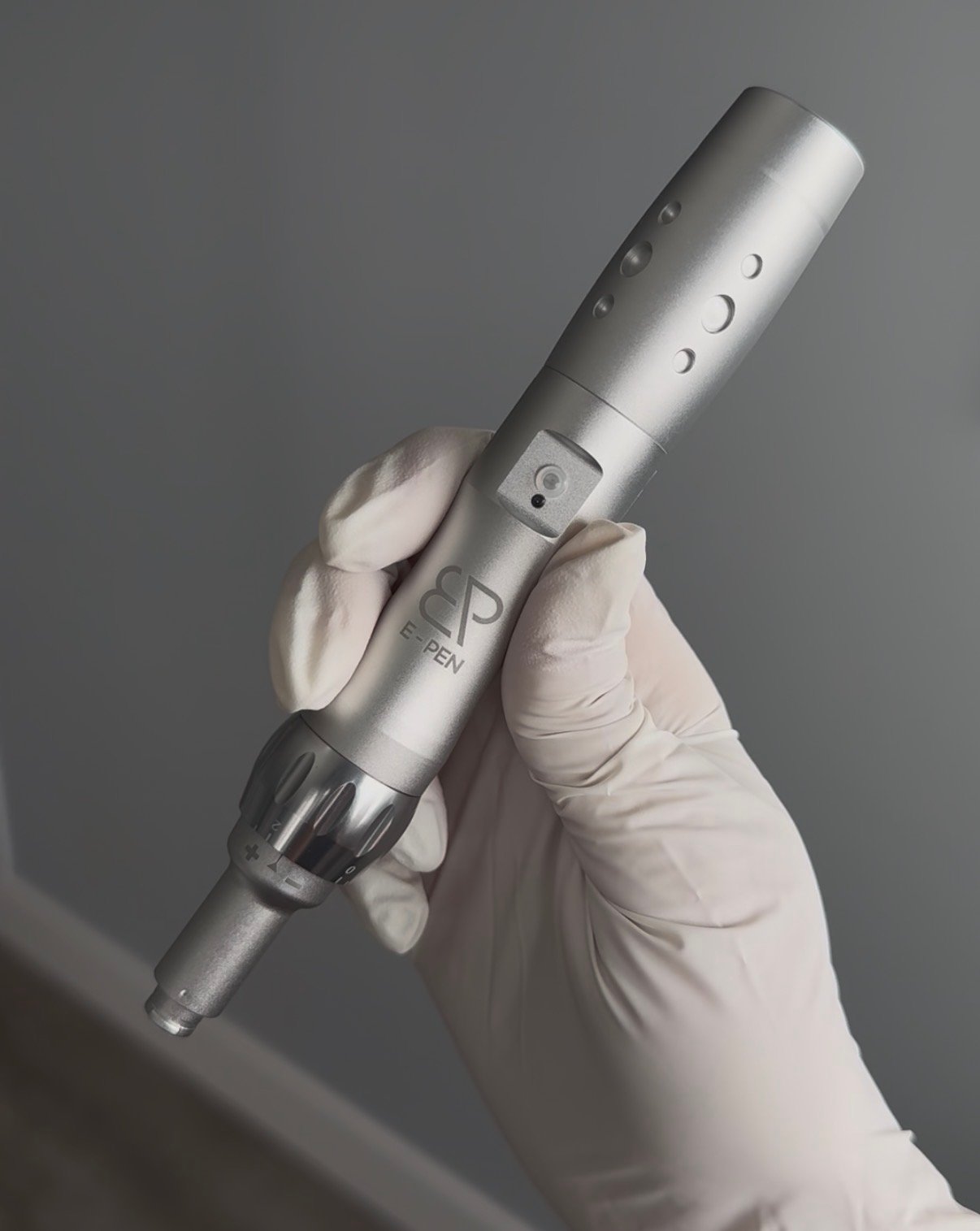
As a skin and laser specialist who performs microneedling in Calgary using the Health Canada approved E-Pen device, here are my honest answers to every question I get asked.
What Is Microneedling?
The simplest way I explain microneedling to a first-time client is this: it creates controlled micro-injuries in your skin that tell your body to reboot and heal itself.
Using a device fitted with ultra-fine needles, microneedling creates thousands of tiny punctures in the skin’s surface. These micro-channels are small enough to heal quickly, but significant enough to trigger your body’s natural wound-healing response. In doing so, your skin ramps up its production of collagen and elastin — the proteins responsible for firm, smooth, youthful-looking skin.
This process is called collagen induction therapy, and it targets the dermis — the deeper layer of the skin where collagen is produced. This is an important distinction, because many surface-level treatments like basic exfoliants and some peels only work on the epidermis. Microneedling goes deeper, which is why its results on texture, scarring, and skin quality are so significant.
The results are not immediate — they unfold over weeks as the skin rebuilds and remodels itself. But that is exactly the point. You are not just improving the surface appearance of your skin. You are changing its structure from within.
How Does Microneedling Work?
At Cool Laser Skin Studio I use the E-Pen microneedling device — a Health Canada approved system that fires at 7,000 RPM. That speed matters more than most people realize.
Because the needles are moving at such a high rate of rotation, a significantly greater number of micro-channels are created per pass compared to slower devices or manual dermarollers. More micro-channels means a stronger healing signal sent to the dermis, which means more collagen production and better results.
The E-Pen also uses a glide method — a smooth, controlled technique that ensures full, even coverage across the treatment area with no missed spots and no track marks. This is a meaningful difference from older roller-based devices, which can create uneven pressure and linear scarring if not used correctly.
During a session, 1–3 passes are made over each treatment area depending on your skin concern and response. The entire process is designed to be as precise and comfortable as possible while delivering the clinical result your skin needs.
What Microneedling Improves
Microneedling has strong clinical evidence supporting its effectiveness for:
- Acne scars and post-acne marks — one of the most dramatic and well-documented uses
- Fine lines and wrinkles
- Skin texture and enlarged pores
- Overall skin tone and radiance
- Collagen density and skin thickness
- Pigmentation and uneven tone
- Scar remodelling from injury or surgery
Of all these concerns, I consistently see the most dramatic, undeniable results with acne scarring. The combination of collagen induction and scar tissue remodelling that microneedling triggers is difficult to replicate with surface treatments alone, and the before-and-after improvements in scar depth and texture can be remarkable over a proper series of treatments.
Is Microneedling Worth It?
In my opinion, yes — and the 20+ years of clinical research agree.
Microneedling is one of the most studied treatments available for collagen stimulation. The evidence consistently shows improvements in collagen density, skin thickness, and scar remodelling — results that go beyond what most topical products or surface-level treatments can achieve on their own.
What makes it particularly valuable is how it works. Because microneedling relies on your body’s own healing response to generate results, it is improving your skin’s actual structure — not just its surface appearance. That is a fundamentally different outcome than what you get from an exfoliating peel or a brightening serum.
It also penetrates deeper than many peels and some laser treatments, targeting the dermis directly. For concerns that live beneath the skin’s surface — like rolling acne scars, deep texture, or significant collagen loss, that depth is what makes the difference.
That said, microneedling is not a one-size-fits-all solution. It works best as part of a thoughtful, multi-treatment plan. For example, if a client comes to me with active acne, I would not start with microneedling. I would first use peels and laser facials to get the acne under control, then introduce microneedling once the skin has settled to address any scarring or pigmentation left behind. Sequencing matters enormously and that is something a proper consultation will always cover.
How Long Do Microneedling Results Last?
This is one of the most common questions I get, and the honest answer is: it depends on how you approach it.
The collagen your skin produces in response to microneedling is real and lasting — but collagen loss is also ongoing. After the age of 25, we naturally lose collagen every year. That process does not stop. So while the improvements from a microneedling series are genuine and measurable, maintenance is what protects and builds on those results over time.
Think of it less like a one-time fix and more like a long-term investment in your skin’s health, similar to how you might approach fitness. A single block of workouts makes a real difference, but consistent effort over time is what produces lasting change.
What a Realistic Microneedling Schedule Looks Like
Here is how I typically structure treatment plans for my clients:
- Initial series: 3–5 sessions spaced every 4–6 weeks, depending on skin concern. Deeper scars or more significant collagen loss sit at the higher end of the range
- Maintenance after your series: typically 2–3 sessions per year to sustain collagen levels and continue improving skin quality
- More intensive maintenance: clients focused on maximum collagen induction may repeat a full series annually depending on their goals
- Sessions spaced every 4–6 weeks: this timing is not arbitrary — it aligns with the skin’s natural healing and collagen production cycle, ensuring each session builds on the last
After your initial series I will assess your results and help you determine what the right maintenance cadence looks like for your specific skin and goals. There is no one-size-fits-all answer which is exactly why a personalized treatment plan matters.
How Many Microneedling Sessions Do I Need?
For most clients, 3–5 sessions per year is the right starting point. The exact number depends on what you are treating:
- Fine lines, texture, and general collagen maintenance: 3 sessions is often sufficient for a strong initial improvement
- Acne scarring, deeper lines, or more significant skin concerns: 4–5 sessions delivers more meaningful remodelling
- Deep or pitted acne scars: may require additional sessions beyond the initial series, assessed as we go
One thing I always tell clients: microneedling is a process, not an event. The results accumulate with each session as the skin lays down more collagen, remodels scar tissue, and improves in density and texture. Patience and consistency are what deliver the results people see in before-and-after photos.
Is Microneedling Safe?
Yes — when performed with the right device by a trained provider, microneedling is a very safe treatment with a well-established safety profile backed by decades of clinical use.
One of the things I appreciate most about the E-Pen is that it is Health Canada approved — not a consumer-grade dermaroller or an unregulated pen. That regulatory clearance matters, especially when needles are penetrating the skin.
Microneedling is also safe for all skin tones and Fitzpatrick types. Because it uses mechanical needle action rather than heat or light energy, there is no risk of heat-related pigmentation damage — making it one of the most inclusive skin treatments available, including for darker skin types that may need to avoid certain laser or IPL devices.
My Consultation and Assessment Process
Before any microneedling session, every client goes through a thorough intake and consultation process. Here is how I approach it:
- Medical history forms are sent in advance so I can review medications, medical conditions, and screen for contraindications before you arrive
- Metal allergies, autoimmune conditions, rosacea, and active skin conditions are all reviewed and discussed
- At the consultation we go over your skin goals and I determine which treatments and sequencing are right for your specific concern
- Active acne is addressed first before microneedling is introduced — I use peels and laser facials to get breakouts under control, then use microneedling to treat any scarring or pigmentation once the skin has settled
- A full treatment plan is built around your skin — not a generic package
Who Should Not Have Microneedling
Microneedling is not suitable for everyone. I would pause or decline treatment for clients with:
- Active cystic acne in the treatment area
- Active rosacea or dermatitis
- Certain blood-thinning medications
- Pregnancy or nursing
- Certain metal allergies or autoimmune conditions — reviewed at consultation
If you fall into any of these categories it does not necessarily mean microneedling is off the table permanently — it may just mean we address other concerns first and revisit it when the timing is right.
Does Microneedling Hurt? What First-Timers Actually Experience
Pain is the number one thing people ask me about before their first session. Here is my honest answer: most people find it very manageable — and far less intimidating than they expected.
Before we begin, I apply a numbing cream to the treatment area to take the edge off. The E-Pen fires at 7,000 RPM, which means the needle action is extremely fast — any sensation you feel is brief and fleeting rather than sustained. Most clients describe it as small prick points moving quickly across the skin.
Some areas are more sensitive than others. Bony areas like the forehead, nose bridge, and jawline tend to feel pokier than fleshier areas. But even in those spots, the speed of the device means the sensation passes quickly.
The reaction I get most often after a first session is the same one I get after laser treatments: “That wasn’t nearly as bad as I thought it would be.”
What to Expect After Your Session
Downtime is real but short. Here is what to expect:
- Skin will appear pink to red immediately after — similar to a mild sunburn
- Skin may feel warm and tight for the first 24–48 hours
- Most clients experience 1–3 days of visible redness before returning to normal
- Avoid sun exposure, heat, and sweating for 72 hours post-treatment
- Avoid active skincare ingredients (retinols, AHAs, BHAs) for at least 5 days
- Keep skin cool, calm, and hydrated with gentle products while it heals
The redness is temporary and actually a positive sign — it means your skin’s healing response has been activated and collagen production is underway.
The Bottom Line
Microneedling is one of the most well-researched, clinically backed skin treatments available. It works deeper than most surface treatments, it is safe for all skin tones, and when done properly with the right device and the right plan, the results — particularly for acne scarring and collagen loss — can be genuinely life-changing for a client’s confidence.
The key is doing it right: the right device, the right provider, and a treatment plan that is built around your specific skin — not a generic package. That is exactly what a free consultation at Cool Laser Skin Studio is for.
If you’re curious whether microneedling is right for your skin, visit our microneedling in Calgary page to learn more about the E-Pen, pricing, and how to book your free consultation.